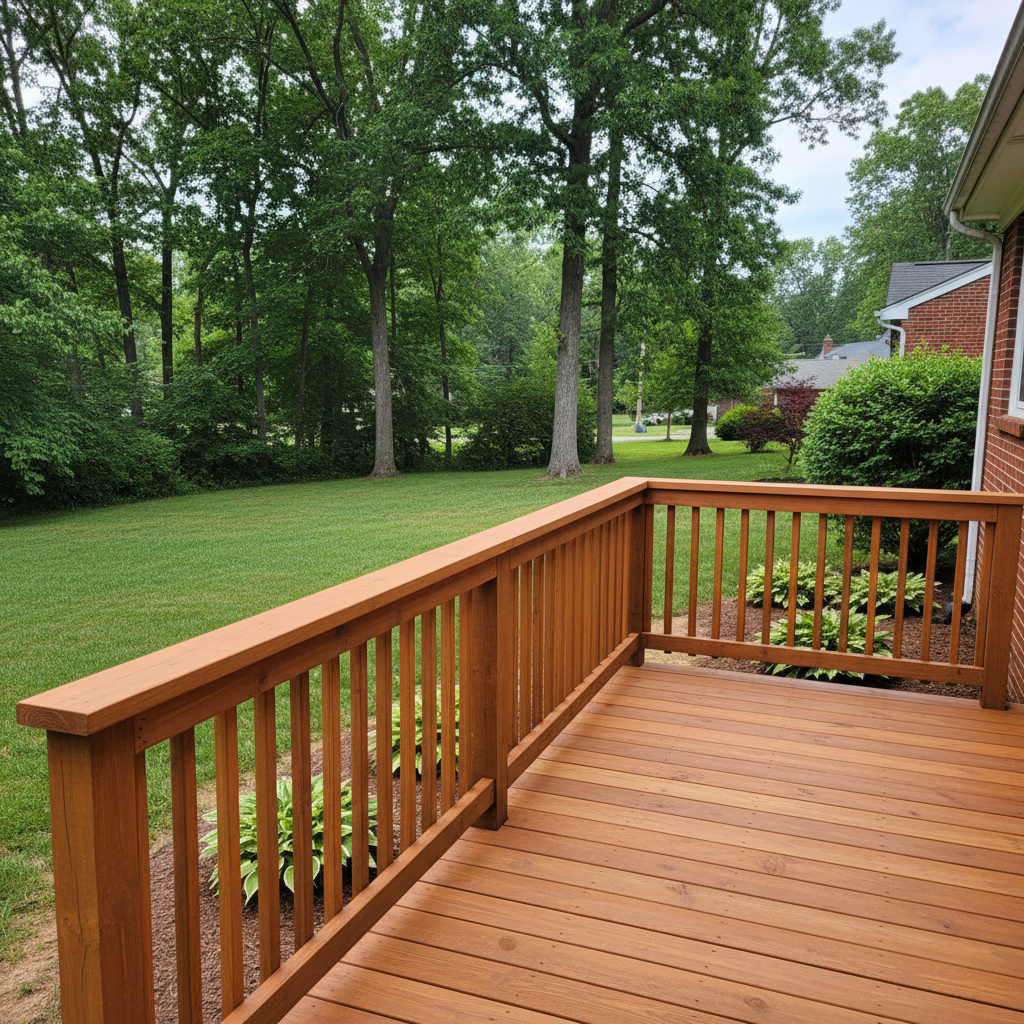
You just invested in a new deck railing, or maybe you've had one for years. Either way, you want it to last, right? Down here in Brooklyn, MD, we know our climate can be tough on outdoor structures. Between the humid summers, the freezing winters, and those wild spring storms, your deck railings take a beating. So, let's talk about how to keep 'em strong, safe, and looking good for the long haul.
Extend the Life of Your Deck Railings
The best way to make your railings last is to start with quality materials and proper installation. That's where folks like us at Pacific Deck Solutions come in. But once it's up, it's on you to do a little preventative work. Think of it like taking care of your car – regular oil changes prevent bigger problems down the road.
- Seal and Stain Regularly: If you've got wood railings, this is non-negotiable. Our Maryland humidity and sun can really dry out and rot wood if it's not protected. I tell folks around here to plan on re-sealing or re-staining every 2-3 years, sometimes sooner if it's really exposed to the elements or if you notice the finish fading. Use a good quality, UV-resistant product.
- Clean Annually: Dirt, pollen, mildew – it all builds up. A simple wash with mild soap and water can do wonders. For vinyl or composite railings, this is often all you need. For wood, make sure it's fully dry before you re-seal.
- Check Fasteners: Screws, bolts, anchors – they can loosen over time with expansion and contraction from temperature changes. Give them a once-over every spring and fall. A loose connection is a weak connection, and that's a safety hazard.
- Trim Back Vegetation: Keep bushes, vines, and trees from growing directly onto or against your railings. They trap moisture, encourage rot, and can scratch finishes.
What Regular Maintenance Looks Like
It's not rocket science, but it does require a little attention. You don't need to be out there every weekend, but a couple of times a year is a good habit.
Every spring, after the last frost, give your entire deck and railing system a thorough inspection. Look for anything that seems off. This is when you'd do your cleaning and check those fasteners. If you have a wood deck, check for splintering or rough spots that might need a light sanding. For metal railings, look for any signs of rust, especially at joints or where the finish might be chipped.
In the fall, before the really cold weather hits, do another quick check. Make sure everything is tight. If you have any small cracks in wood, you might want to fill them before water gets in and freezes, expanding the crack. This is also a good time to clear any leaves or debris that have collected around the base of posts, as they can trap moisture.
Warning Signs of Problems
Knowing what to look for can save you a headache and a lot of money down the line. Don't ignore these signals:
- Wobbly Posts or Sections: This is probably the biggest red flag. If a railing post or a section of railing moves more than an inch or two when you push on it, you've got a problem. It could be loose fasteners, rotted wood at the base, or even issues with the deck framing itself.
- Rot or Decay: For wood railings, look for soft spots, discoloration, or crumbling wood. Poke it with a screwdriver – if it goes in easily, you've got rot. This is especially common where posts meet the deck surface, as water tends to collect there.
- Cracks or Splits: Small hairline cracks in wood are normal, but large, deep cracks can compromise structural integrity. For vinyl or composite, significant cracks usually mean impact damage or a manufacturing defect.
- Rust or Corrosion: On metal railings, rust isn't just ugly; it weakens the metal. Pay close attention to welds, bolt heads, and areas where the coating might be scratched.
- Missing or Damaged Balusters/Spindles: These are crucial for safety, especially if you have kids or pets. If any are missing, broken, or spaced too far apart (more than 4 inches), they need to be fixed immediately.
- Fading or Peeling Finish: While not always a structural issue, it's a sign that your protective coating is failing, leaving the underlying material vulnerable to the elements.
When to Call a Professional
Look, some things you can DIY. Tightening a screw or scrubbing off some mildew? Go for it. But there are times when you really need to call in the pros. Don't mess around when safety is at stake.
- Significant Wobble or Structural Issues: If you've got a post that's seriously wobbly and you can't figure out why, or if you suspect rot in the main deck structure, that's a job for us. We've got the tools and the know-how to diagnose and fix those bigger problems safely.
- Extensive Rot or Damage: If large sections of your wood railing are rotted, or if you have multiple broken components, a professional repair or replacement might be more cost-effective and safer than trying to patch it yourself.
- You're Not Sure: Honestly, if you're looking at something and you're just not confident in your ability to fix it right, give us a call. It's better to be safe than sorry. We're happy to come out, take a look, and give you an honest assessment. We've seen it all, from the older homes in Curtis Bay to the newer developments, and we know what works in this area.
- Code Compliance: If you're replacing a railing or doing a major repair, you need to make sure it meets current building codes. These codes are there for safety, and they change. A professional will know the current requirements for height, spacing, and attachment methods.
Your deck railings are more than just an aesthetic feature; they're a critical safety component of your outdoor living space. A little regular care goes a long way in protecting your investment and, more importantly, protecting your family and friends. If you've got questions or need a hand with any of this, you know who to call. We're here to help keep your Brooklyn, MD home safe and sound.