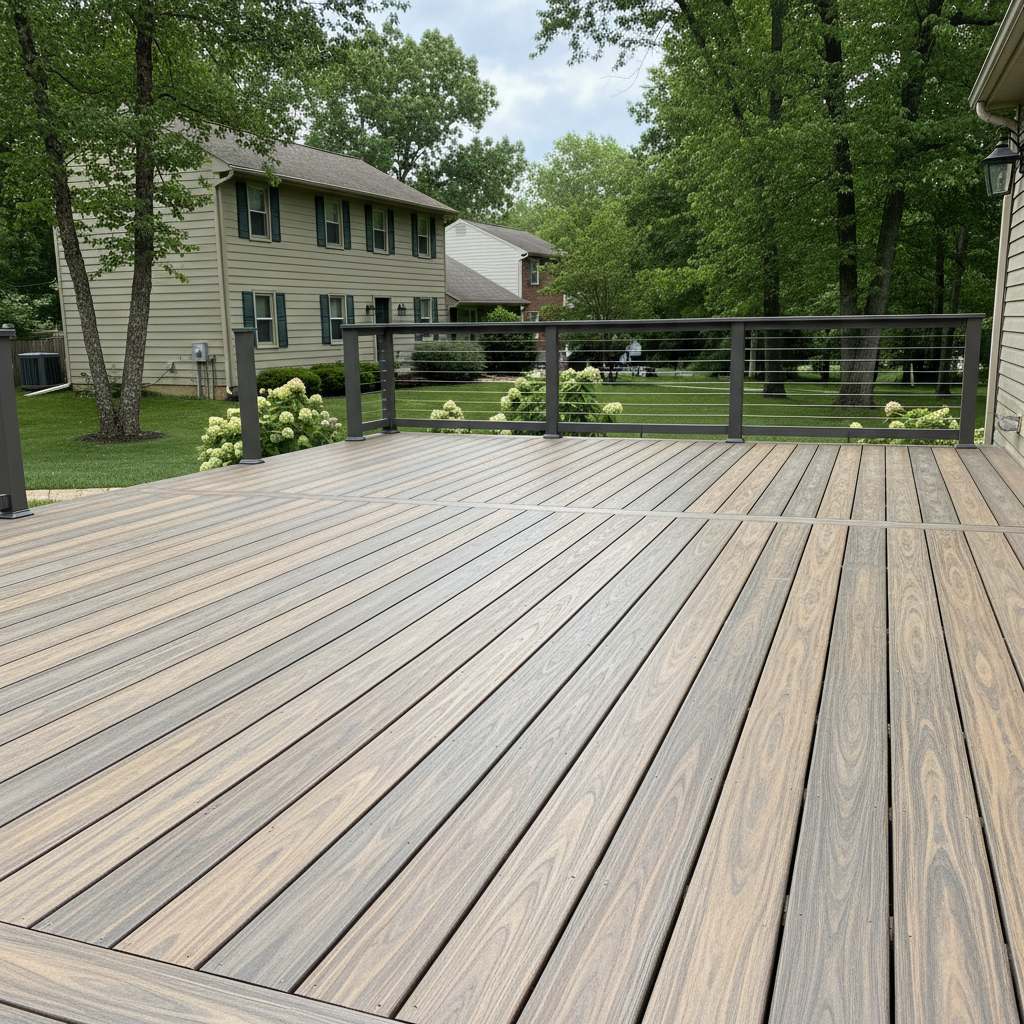
Alright, so you've got a composite deck. Smart move. You probably picked it because you heard it was 'low maintenance' compared to wood. And you're right, it is. You won't be staining or sealing it every couple of years, which is a huge win. But 'low maintenance' doesn't mean 'no maintenance,' not really. If you want that deck to last as long as it's supposed to and keep looking good, especially with what our Maryland weather throws at it, you still gotta put in a little effort.
Extending Your Composite Deck's Lifespan
The good news is, extending the life of your composite deck isn't rocket science. It's mostly about common sense and a little prevention. First off, keep it clean. Seriously, that's probably 80% of the battle. Dirt, pollen, leaves, and all the other junk that blows around our Brooklyn neighborhoods can sit on the surface and eventually cause issues like mildew or stubborn stains. Regular cleaning prevents these things from setting in deep.
Protecting it from heavy furniture or anything that can scratch it is another big one. Composite is tough, sure, but it's not indestructible. Use furniture pads under chairs and tables. If you're dragging a grill across it, lift it. Simple stuff, but it really makes a difference over years.
Also, think about drainage. Make sure water isn't pooling anywhere on or around your deck. Our summers here can be humid, and when you combine that with standing water, you're just asking for mildew and algae growth. If you've got an area that stays damp, it's worth looking into why. Sometimes it's as simple as clearing out a gutter or adjusting a downspout, you know?
Regular Maintenance: What You Need to Do
So, what does 'regular' actually mean? For most composite decks around here, I'd say a good cleaning a couple of times a year is a solid plan. Spring and fall are usually the best times.
- Sweep it off regularly: Just like you sweep your kitchen floor. Get rid of leaves, dirt, and debris. This stops things from getting ground into the surface.
- Wash it down: A good scrub with a soft-bristle brush, warm water, and a mild, non-abrasive cleaner (like dish soap or a cleaner specifically designed for composite decks) will do wonders. Work in the direction of the grain. Rinse thoroughly with a garden hose. Don't go crazy with a high-pressure washer; you can actually damage the surface if you're not careful. If you do use one, keep the pressure low (under 1500 PSI) and hold the nozzle at least a foot away.
- Tackle stains quickly: Spilled some BBQ sauce? Dropped a greasy burger? Clean it up ASAP. The longer it sits, the harder it is to get out. Most food and drink stains come right off with soap and water. For tougher stuff, check your deck manufacturer's recommendations; they usually have specific advice for different types of stains.
- Check for mildew and mold: With our humid summers and wet springs, mildew can be an issue. If you see green or black spots, a solution of oxygen bleach (not chlorine bleach!) and water, or a specialized deck cleaner, usually takes care of it. Scrub, let it sit for a bit, then rinse.
That's really about it for the day-to-day stuff. It's not a huge time commitment, but it keeps your investment looking sharp.
Warning Signs of Problems
Even with good maintenance, sometimes things can go wrong. Here's what to keep an eye out for:
- Persistent staining: If you've got stains that just won't come out, even after trying different cleaners, it might be a sign of something deeper.
- Fading or discoloration: While some fading is natural over time, if you see uneven or rapid fading, or strange color changes, it could indicate a defect or a problem with sun exposure.
- Warping or buckling: This is a big one. Composite decks are designed to be stable. If you see boards starting to warp, buckle, or lift, that's a serious issue. It could be an installation problem, water damage to the substructure, or even a manufacturing defect.
- Loose railings or steps: Always check your railings and steps. Give them a good shake. If anything feels wobbly, it's a safety hazard and needs immediate attention.
- Strange noises: Squeaks or groans when you walk on certain spots could mean loose fasteners or issues with the deck's framing underneath.
Don't ignore these things. A small problem caught early is usually an easy fix. A small problem ignored can turn into a major headache and an expensive repair.
When to Call a Professional
Look, I'm all for DIY when it makes sense. But there are times when you really should call in the pros. If you see any of those serious warning signs like warping, buckling, or significant structural issues, that's definitely a job for someone like us at Pacific Deck Solutions. We've got the experience to diagnose the root cause and fix it right.
Also, if you're dealing with persistent mildew or algae that you just can't get rid of, or if you're unsure about the best way to clean a specific type of stain without damaging your deck, give us a shout. Sometimes, a professional cleaning or a specialized treatment is what's needed. It's better to get expert advice than to accidentally damage your deck trying to fix it yourself.
Think of your deck as an extension of your home. A little care goes a long way in keeping it safe, beautiful, and functional for years to come. Don't let our humid summers or snowy winters get the best of your investment.