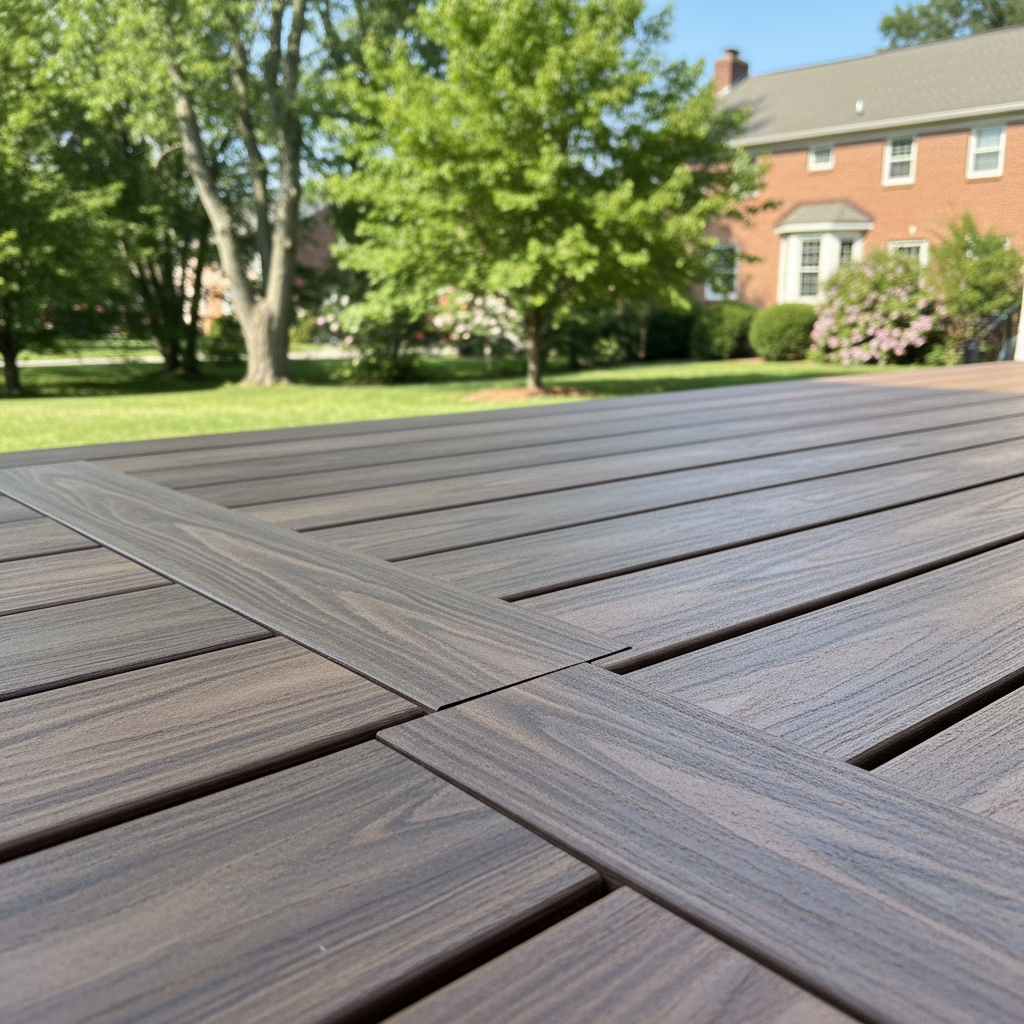
Thinking Composite? Here's the Deal.
So, you're eyeing a new deck, and composite decking has caught your attention. Smart move. For homeowners here in Brooklyn, MD, with our humid summers and occasional heavy snowfalls, composite offers some real advantages over traditional wood. But before you dive in, let's talk about what you need to know, from the first thought to the finished product, and beyond.
I've seen a lot of decks go up and come down in this area, and composite has definitely changed the game. It's not just about skipping the yearly staining anymore; it's about durability, less upkeep, and a consistent look that wood just can't always deliver. But it's not a 'set it and forget it' miracle, either. There are choices to make and things to understand.
Before You Start: Planning Your Composite Deck
This is where you save yourself a lot of headaches later. Don't skip the planning phase. Seriously.
- Budget: Composite costs more upfront than pressure-treated lumber, no two ways about it. But remember, you're buying years of low maintenance. Factor in not just the decking boards, but the substructure, fasteners, railing, and any extras like lighting. Get some quotes from places like Pacific Deck Solutions – we're happy to walk you through the options.
- Materials: Not all composite is created equal. You've got capped composite, uncapped composite, PVC decking... it's a spectrum. Capped composite is usually what most folks think of – it's got a protective shell that resists fading, scratching, and mold better than uncapped. PVC is even more resistant, but often pricier. Think about how much sun your deck gets, if you have pets, or if you're prone to spilling things. Those factors should guide your material choice.
- Design & Layout: What do you want your deck to do? Entertain? Relax? Grill? Sketch it out. Think about traffic flow, sun exposure, and how it connects to your house. This is also where you decide on things like picture framing or diagonal board patterns, which look great but add complexity and material waste.
- Permits: This is a big one, especially in Anne Arundel County. You'll almost certainly need a permit for a new deck or a significant rebuild. Don't try to sneak around this; it'll bite you later. The county has specific requirements for footings, ledger board attachment, and railing height. They're not trying to make your life hard; they're trying to keep everyone safe. Check with the Anne Arundel County Department of Inspections and Permits early in your planning.
During the Build: DIY or Call a Pro?
Alright, plans are set, materials are ordered. Now comes the actual construction. This is where the rubber meets the road on the DIY question.
What You Might DIY:
- Demolition: If you're replacing an old deck, tearing down the existing structure can be a good way to save some money. Just make sure you're careful and have a plan for disposal.
- Simple Railing Installation: Some pre-fab railing systems are pretty straightforward to assemble once the posts are in place.
- Finishing Touches: Things like deck lighting, planters, or even some basic trim work can often be handled by a handy homeowner.
When to Call a Pro (Seriously, Call a Pro):
- Substructure: This is the skeleton of your deck, and it HAS to be right. Getting the ledger board properly attached to your house, ensuring footings are deep enough (especially with our clay soil that can shift), and making sure everything is level and square is critical. If the substructure isn't perfect, your composite boards won't lay flat, and you'll have problems down the line. This is where Pacific Deck Solutions really shines; we build foundations that last.
- Complex Designs: If you're doing multiple levels, intricate angles, or built-in features, that's pro territory. The cuts need to be precise, and the framing needs to support everything correctly.
- Large Decks: A small, ground-level platform deck? Maybe. A large, elevated deck that's going to hold a lot of people and furniture? That's a structural engineering job, and it's not something you want to learn on.
- Permit Issues: If you're struggling with the permit process or understanding code requirements, a good contractor will handle all that for you.
Composite boards themselves are generally easy to work with once the substructure is solid. They cut like wood, but you need to be mindful of expansion and contraction, especially with our temperature swings here in Brooklyn. Proper gapping between boards is essential.
After the Project: Living with Your Composite Deck
Congratulations, your deck is done! Now for the easy part – maintenance. This is where composite really pays off.
- Cleaning: You're not staining or sealing every year, which is awesome. But you'll still need to clean it. A simple sweep to remove leaves and debris, and then a wash with soap and water (or a composite deck cleaner) and a soft brush will usually do the trick. For tougher spots, a power washer on a very low setting and wide fan tip can work, but be super careful; too much pressure can damage the surface. Always test in an inconspicuous spot first.
- Stains: Most food and drink spills wipe right up. For tougher stains like grease, there are specific composite deck cleaners that work well. Don't let things sit for too long, especially if it's something like berry juice or grill grease.
- Mold & Mildew: Even though composite resists mold better than wood, it can still happen, especially in shady, damp spots. Regular cleaning prevents it. If you see it, scrub it with a deck cleaner containing bleach (check the manufacturer's recommendations first!).
- Inspections: Every year, just do a quick walk-around. Check for any loose fasteners, wobbly railings, or anything that looks out of place. It's rare with composite, but it's good practice.
Composite decking is a fantastic investment for your Brooklyn home. It gives you a beautiful, durable outdoor living space with minimal fuss. Just plan smart, know your limits on the build, and give it a little love now and then, and you'll enjoy it for decades.