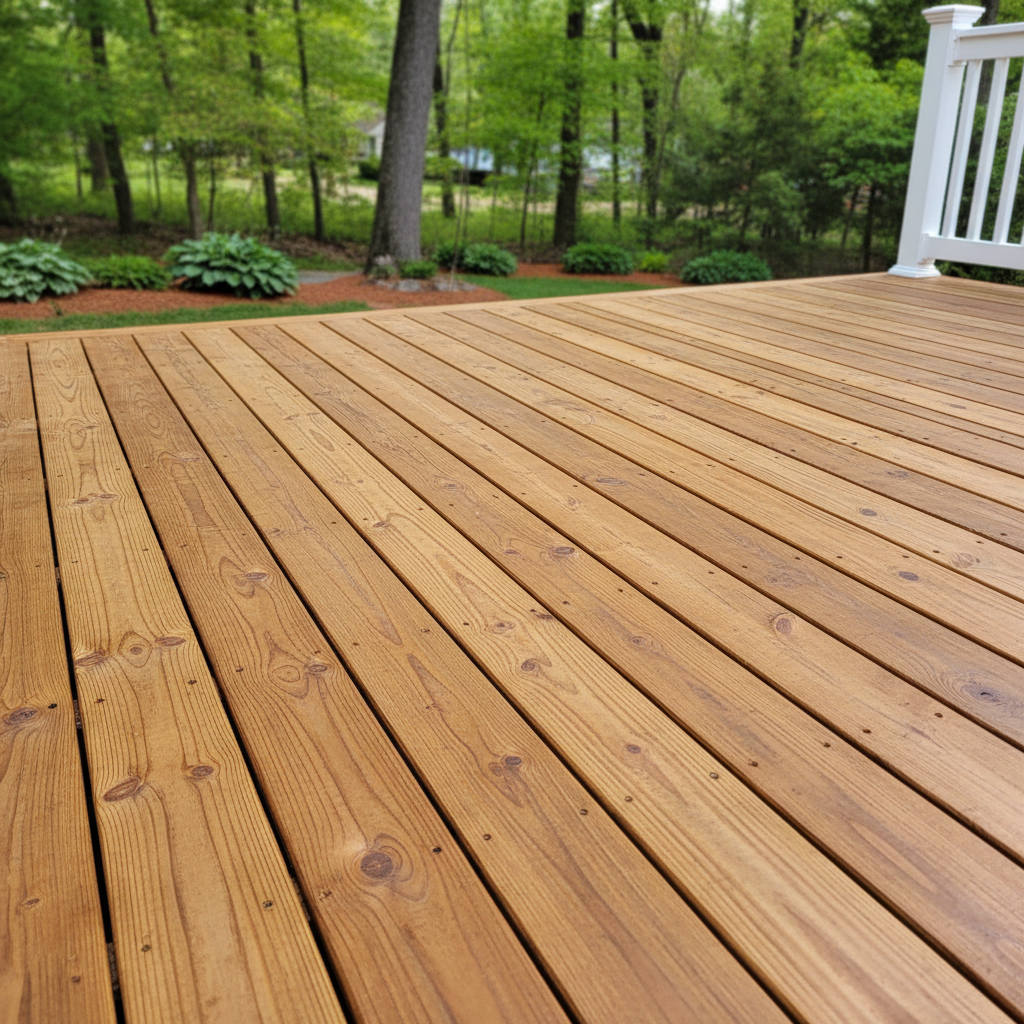
Before You Start: Planning Your Wooden Deck
So, you're dreaming of a new wooden deck, huh? Maybe you've got an old one that's seen better days, or you're finally ready to add that outdoor living space. That's great! But before you even think about buying lumber, you gotta do some homework. This ain't just slapping some boards together; there's a lot to consider.
First off, think about what you want it for. Is it just a small landing for the grill, or a big entertaining space for family gatherings? How much sun does that spot get? Here in Brooklyn, especially closer to the water, we get some pretty intense sun and humidity in the summer. That can really impact your material choices and how long your deck lasts.
Next, budget. Be realistic. Lumber prices can swing, and good quality wood isn't cheap. Don't forget about fasteners, concrete for footings, and any special tools you might need. If you're thinking DIY, factor in your time too. Your weekend warrior project could easily stretch into months if you're not careful.
Permits. This is a big one. You can't just build a deck willy-nilly. Anne Arundel County has rules, and you'll need to pull permits. This involves submitting plans, getting inspections, and making sure everything's up to code. Trying to skip this step is a huge headache waiting to happen, and you could face fines or even have to tear it down. For a simple repair, like replacing a few rotten boards, you probably won't need one. But anything structural, or a new build, absolutely requires it.
During the Project: Building Your Deck
Alright, plans are approved, materials are ordered, and you're ready to get your hands dirty. This is where the rubber meets the road. For the average homeowner, some parts of deck building are totally doable, while others are best left to the pros.
What you can probably handle yourself:
- Demolition: Tearing down an old deck? If it's not too big and you've got the right tools and a strong back, you can usually manage this. Just be careful with nails and make sure you've got a plan for disposal.
- Staining or Painting: Once the deck is built, applying a stain or paint is a great DIY job. It's mostly elbow grease and patience. Just make sure the wood is clean and dry, and follow the product instructions.
- Minor Board Replacement: If you've got a few warped or rotted deck boards, and the joists underneath are sound, you can probably cut and replace those yourself. Just be sure to use the same type of wood and fasteners.
When to call in a pro:
- Footings and Framing: This is the foundation of your deck. If your footings aren't deep enough or properly spaced, or your framing isn't square, level, and securely attached to your house, you're asking for trouble. This is structural work, and it needs to be perfect for safety and longevity. This is where Pacific Deck Solutions really shines; we've got the experience to get it right the first time.
- Complex Designs: Multi-level decks, intricate railing systems, built-in benches, or anything beyond a simple square or rectangle gets complicated fast. Cutting angles, ensuring proper drainage, and maintaining structural integrity on these projects takes skill and specialized tools.
- Time Constraints: If you need your deck done by a certain date, and you're not a full-time builder, it's tough to guarantee. Pros work efficiently and have crews to get the job done quicker.
- Permit Issues: If you're struggling with the permit process or understanding code requirements, a professional contractor can navigate that for you.
After the Build: Maintaining Your Wooden Deck
So, your deck's built, it looks great, and you're enjoying it. Don't think the work's over! Wood decks need regular maintenance to stay safe and look good. This is almost entirely DIY territory for most homeowners.
Every year, give your deck a good inspection. Look for:
- Loose or popped nails/screws: Re-secure them.
- Splintering or cracked boards: Sand them down or replace them if they're too far gone.
- Rot: Pay close attention to areas where water collects, like around railings or where boards meet. Probe suspicious spots with an awl. If it's soft, you've got rot.
- Algae or mildew: This makes the deck slippery and breaks down the wood. A good cleaning with a deck cleaner and a power washer (used carefully!) will usually take care of it.
You'll also need to reapply stain or sealer every few years, depending on the product and how much sun and weather your deck gets. Here in Brooklyn, with our humid summers and occasional harsh winters, you'll want to stay on top of this. It protects the wood from moisture and UV damage, which are the biggest enemies of a wooden deck.
Taking care of your deck isn't just about looks; it's about safety. A well-maintained deck will last you decades, providing a fantastic outdoor space for you and your family to enjoy. If you ever run into something that feels too big or too complex, don't hesitate to give us a call. We're always happy to help our neighbors out.